
THE POWER OF COLOR IN INTERIOR DESIGN (AND HOW TO USE IT WITHOUT FEAR)
- Dec 3, 2025
- 4 min read
Updated: 5 days ago
Color is one of the most powerful tools in interior design, yet also one of the most misunderstood. Many people hesitate to use anything beyond safe neutrals because they fear making the wrong choice. They worry a color will feel overwhelming, dated, or too personal. The truth is that color, when chosen with intention, does not overwhelm a space. It completes it.
Color is what gives a room personality. It creates atmosphere. It makes a space feel alive rather than simply furnished. When applied thoughtfully, it becomes one of the strongest ways to express who you are through your home.

HOW COLOR SHAPES THE WAY A SPACE FEELS
Color has a direct effect on how we experience a room emotionally and physically. The moment you walk into a space, color influences your mood before you have time to consciously register furniture or layouts.
Soft neutrals tend to create a sense of calm and balance. Deep, saturated hues give a room depth and elegance. Warm shades make spaces feel welcoming and intimate, while cooler tones bring clarity and freshness. Even subtle shifts within the same color family can completely change the energy in a room.
The purpose of color is not to follow a trend but to support the feeling you want your home to provide. A bedroom should feel very different from a workspace. A living room should carry a different emotion than a kitchen. Each space has its own emotional role, and color helps reinforce that.
Good design connects color to lifestyle. It considers how you want to feel when you wake up, when you come home after a long day, and when you host friends or spend a quiet evening alone.
WHY COLOR RARELY LOOKS THE SAME IN REAL LIFE
One of the most common mistakes in interior design is choosing color in isolation. A shade that looks perfect online or in a store can feel completely wrong once it is on your wall. This happens because color never exists on its own. It is always interacting with its surroundings.
Light plays a major role in how color is perceived. A shade may appear warm during the day and cooler in the evening. Artificial lighting can soften a tone or make it feel sharper. Natural light can deepen or wash out a color completely.
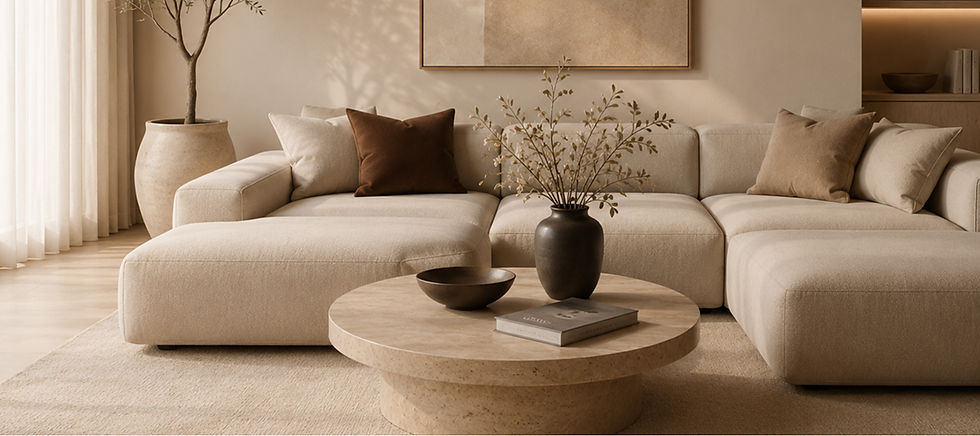
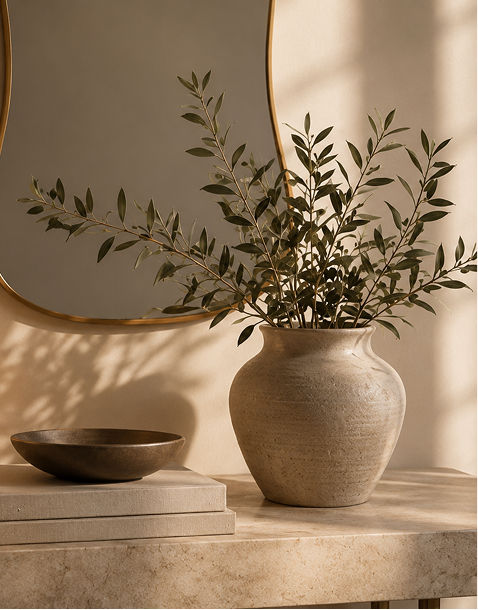
Materials also influence color dramatically. A beige next to wood will appear warmer than the same beige next to porcelain or marble. A green placed near brass feels rich and elegant. The same green next to stainless steel can feel cold or clinical.
Ceiling height, floor tone, furniture color and textile textures all affect how a color behaves in a space. This is why professional design always looks at color as part of a whole system rather than a standalone decision.
CHOOSING COLOR BASED ON EMOTION RATHER THAN TREND
Many people begin with the question, what color is in style right now. A better question is, how do I want this space to feel.
If you start with emotion rather than trend, your choices naturally become more timeless and more personal. Instead of asking what is popular, ask whether you want the room to feel calm, dramatic, cozy, fresh, refined, playful, or grounding.
Color follows intention. Once you clearly understand the atmosphere you want to create, the right palette becomes much easier to define. A calm space will call for soft, muted tones. A bold space might lean into contrast and depth. A luxurious environment may use darker shades paired with warm lighting and tactile materials.
Design becomes far more intuitive when you begin with feeling rather than fashion.
HOW TO BUILD COLOR IN LAYERS
Color works best when it is built gradually rather than applied everywhere at once. A strong space rarely relies on one dramatic choice. Instead, it evolves through layers.
Start with your base color. This might be your walls, your main furniture pieces, or your flooring. Then introduce secondary tones through rugs, curtains, and upholstery. Finally, bring in depth with details such as cushions, art, accessories, and lighting.
This layered approach allows a space to feel intentional without being overwhelming. It also gives you flexibility. You can update certain elements over time without needing to redesign the entire room.
A well layered color scheme is easier to live with and easier to evolve.
THE DIFFERENCE BETWEEN LOUD AND CONFIDENT COLOR
Bold color is not the same as overwhelming color. There is a major difference between color that feels strong and color that feels chaotic.
Confident color is balanced. It belongs in the space. It is supported by light, materials, and proportion. Loud color, on the other hand, feels disconnected and often exists without context.
When color is grounded in layout, lighting, and material choice, it becomes empowering rather than distracting. It gives a room clarity and emotional weight instead of visual noise.
Color should never shout. It should speak clearly and with intention.
WHY PROFESSIONAL GUIDANCE MAKES ALL THE DIFFERENCE
Choosing color is not just about taste. It is about understanding how your environment behaves. Professional design bridges the gap between what looks good in theory and what works in reality.
Working with a designer allows you to make decisions with confidence rather than guesswork. It removes doubt, reduces costly mistakes, and helps you see possibilities you might not have considered.
Instead of choosing color in fear, you begin choosing it with clarity.
COLOR IS PERSONAL, AND THAT IS ITS POWER
At its best, color makes a home feel personal. It reflects how you think, how you feel, and how you live. It transforms a space from a generic setting into something deeply individual.
Color is not about perfection. It is about expression. When your home reflects you, it becomes not just beautiful but meaningful.
When color belongs, a space feels complete.
Comments